Showing posts with label Diabetes mellitus. Show all posts

Sunday, September 29, 2013

Big Breakfast with More of Protein and Fat may Help Diabetics to Reduce Medications

Big Breakfast - Sapore, Chadstone
Big Breakfast - Sapore, Chadstone (Photo credit: avlxyz)

Most of the time, there is a confusion in patients of either pre-diabetics or diabetics; what to eat, how much to eat and what not to eat.
It has been seen that big breakfast with more protein and fat, and less carbohydrate may actually help people with type 2 diabetes to better control both their hunger and their blood sugar levels.

Patients who ate a big breakfast for three months experienced lower blood sugar (glucose) levels, and nearly one-third were able to reduce the amount of diabetic medication they took, according to an Israeli study that was scheduled for presentation at the European Association for the Study of Diabetes annual meeting in Barcelona.
This research was based on previous investigations that found that people who regularly eat breakfast tend to have a lower body mass index (BMI) than those who skip the meal.
Breakfast eaters also enjoy lower blood sugar levels and are able to use insulin more efficiently. The trial randomly assigned 59 people with type 2 diabetes to either a big or small breakfast group.
The big breakfast contained about one-third of the daily calories, about 600 Calories that the diabetic patients would have, while the small breakfast contained only 12.5 percent of their total daily energy intake. The big breakfast also contained a higher percentage of protein and fat.
Doctors found that after 13 weeks, blood sugar levels and blood pressure dropped dramatically in people who ate a big breakfast every day. Those who ate a big breakfast enjoyed blood sugar level reductions three times greater than those who ate a small breakfast, and blood pressure reductions that were four times greater.
About one-third of the people eating a big breakfast ended up cutting back on the daily diabetic medication they needed to take. By comparison, about 17 percent of the small breakfast group had to increase their medication prescriptions during the course of the trial.
The people eating a big breakfast also found themselves less hungry later in the day. The hunger scores increased significantly in the small breakfast group while satiety scores increased in the big breakfast group.
In addition, the big breakfast group reported a reduced urge to eat and a less preoccupation with food, while the small breakfast group had increased preoccupation with food and a greater urge to eat over time.
It is thought that a big breakfast rich in protein that gets digested slowly, causes suppression of ghrelin, which is known as the "hunger hormone."
Ghrelin (Growth Hormone Release Inducing) and leptin work in opposite manner to each other. Ghrelin increases hunger, whereas leptin increases satiety.
This secretion of hormones occur according to the circardian rhythm. Increases in arousal and activity in anticipation of a meal, termed "food anticipatory activity" (FAA), depend on circadian food-entrainable oscillators (FEOs), whose locations and output signals have long been sought.
It is believed that that oxyntic gland cells of the stomach contain FEOs, which produce a timed ghrelin output signal that acts widely at both brain and peripheral sites. It is likely that other FEOs also produce humoral signals that modulate FAA.
Circadian clocks allow animals to anticipate daily events rather than just react to them. The cells that produce ghrelin have circadian clocks that presumably synchronize the anticipation of food with metabolic cycles.
The scientists show that the stomach cells release ghrelin into the general circulation before mealtime. The hormone triggers a flurry of food-seeking behaviour such as digging in the bedding around the food hopper, and it also stimulates eating. These behaviours are part of the subjective experience of hunger.
Ghrelin should get satisfied by food, or else body may use alternative source to get energy after getting out of bed in the morning. That may also trigger food craving, interval eating leading to obesity.
Breakfast should be enriched with protein, from sources like egg white, cheese, fish, skimmed milk, whole cereal food; carbohydrate of low glycemic index may be chosen from food like oatmeal, whole cereal; and some fat.
For 27 breakfast ideas, please go here.
Enhanced by Zemanta

Saturday, August 17, 2013

Metformin a Biguanide Used for Treatment of Diabetes has Prostate Cancer Preventing Property

Metformin is an inexpensive oral hypoglycemic drug from the class of biguanides, discovered 1957 and used to treat Type II Diabetes Mellitus; apparently no other newer drug has been able to consolidate its position for such length of time in treatment of diabetes.
Metformin found in it
Galega officinalis, for metformin.

Recently, it has been seen to have cancer inhibitory properties, more prominently a prostate cancer. A number of trails are going on to explore its' potential benefit in cancer prevention and treatment; among which breast, prostate and lungs cancer are prominent.

Prostate cancer is among the top five leading causes of cancer death worldwide, according to an estimate of the World Health Organisation.
It is projected that approximately 1 in 7 men in the U.S. will be diagnosed with prostate cancer at some point in their lives, with roughly two-thirds of these cases found between the ages of 55-74.
According to the National Cancer Institute, more than 29,000 American men will die from prostate cancer in 2013.
Likewise, the World Health Organization estimates that 347 million people worldwide have diabetes, and that it will be the seventh leading cause of death by 2030.
According to the U.S. Centers for Disease Control and Prevention, more than 25 million Americans are affected by diabetes and over one-quarter of people older than age 65 have the disease.
Now, it has been seen that diabetic prostate cancer patients on metformin survive longer than those who are not on metformin. Whereas, the metformin group die of some other disease, those not on metformin succumb to cancer of prostate.
How exactly metformin has prostate cancer preventing property is not known. Some research suggests that high insulin levels along with Insulin Growth Factor 1 can influence cancer growth. Metformin decreases insulin level in blood what is called hyperinsulinemia; reduction in level of insulin and insulin like growth factor (IGF) may inhibit the cell proliferation.
Metformin decreases the neoglucogenesis and prevents glycolysis in liver, thereby decreases the blood level of glucose and insulin. Typical side effects of the drug are mild diarrhea and stomach problems that usually subside after one or two weeks.
Metformin may also have direct action at cellular level. The drug has been observed to act directly on prostate cancer cells to cause death and/or inhibit proliferation.
By decreasing obesity metformin may also have negative impact on the growth of prostate cancer, as obesity is a predisposing factor for cancer prostate. 
This involves an action of the drug that interferes with cellular energy metabolism: metformin interferes with the process by which nutrients are converted to energy : under some circumstances, cells react to the energy deficiency by adjusting their functions to use less energy – but a cancer cell that is minimizing energy consumption cannot exhibit aggressive metastatic or proliferative behaviour. The energy stress caused by metformin is sufficient to cause cell death.
It may have also some other mode of action, a direct anti-proliferative effect occurs characterized by the activation of phospho-AMPK [Adenosine Mono-Phosphate-activated protein kinase (AMPK)] with subsequent inhibition of downstream mTOR signalling and altered cycle distribution with cell cycle arrest in G1/S phase.
The beneficial effect on prostate cancer is seen in time dependent manner. Its use in non-diabetic prostate cancer is being explored.
At present, pending further research on the subject, metformin can be used in diabetic prostate cancer patients, if otherwise not contraindicated.
For further information on the subject and to know about ongoing trials go here.

Sunday, February 10, 2013

Cinnamon may be Beneficial for the Diabetics in Controlling Blood Sugar

Several spices used in Indian dishes are beneficial to health in many ways. Those can be garlic, turmeric, ginger, pepper, cinnamon and many more.
A new study from Ball State University concludes that a spoonful of cinnamon powder used with food can reduce blood sugar for 2 hours.

English: Cinnamon
English: Cinnamon (Photo credit: Wikipedia)
The Ball State researcher found that volunteers who took 6 grams of cinnamon along with their breakfast, got reduced blood sugar by 25% for next two hours; who were either obese or non-diabetics.
Chezem's study involved 37 participants and confirms that in both healthy-weight and obese adults, cinnamon reduced blood glucose concentration and enhanced insulin sensitivity, strengthening the body's ability to ward off diabetes.
Cinnamon can be added to a wide variety of foods. Some ideas include yogurt, iced coffees and teas, fruit smoothies, sweet potatoes, pumpkin pie, fruit, pastries, ice cream, egg nog and muffins. They used 6 grams or about 2 1/2 teaspoons of cinnamon in this study; and the taste was also acceptable.
In a study published in the American Journal of Clinical Nutrition in June 2007, researchers found that rice pudding seasoned with 6 grams of cinnamon significantly reduced the subsequent rise in blood sugar after eating.
One study published in 2009 found that cinnamon taken twice a day for 90 days improved glycosylated haemoglobin level; a reflection of average blood sugar level for the past three months, in people with poorly controlled type 2 diabetes (haemoglobin A1C levels greater than 7 percent).
Hydroxychalcone, an active ingredient in cinnamon increases insulin sensitivity to glucose, thereby facilitating delivery of glucose into the cells where it can be either stored or metabolised.
Manganese found in cinnamon is useful in reducing blood sugar level. two spoonful of cinnamon can supply body about 1/3rd of daily requirement of manganese.
Additionally, certain compounds in cinnamon inhibit an enzyme that inactivates insulin receptors, further improving cell's ability to utilize circulating glucose.
Cinnamon is the 2nd highest ranked anti-oxidant rich spice with an incredible ORAC (Oxygen Radical Absorbency Capacity) score of 267,536.
Cinnamon has three major oils; cinnamaldehyde, cinnamyl acetate and cinnamyl alcohol. These oils have anti-inflammatory property.
Cinnamon is naturally attained from the inner bark of a specialized family of trees with the genus name Cinnamomum. It is primarily grown in South East Asia regions with Sri Lanka being the major producer at 80-90 percent of the world's supply.
It will improve blood sugar level in diabetics and pre-diabetics if, cinnamon is used to make spicy dishes. The drug used for diabetes may be reduced to some extent.

Enhanced by Zemanta

Sunday, December 9, 2012

Controlling Diabetes in Natural Way.

Following some lifestyle changes and dietary modifications Type II diabetes can be controlled to a larger extent; added to it is the exploitation of the benefits from medicinal plants. But, continuous monitoring of blood glucose level is an important aspect of controlling diabetes. 
1. The powder of Banaba or Jurul extract can be used to make herbal tea. It is rich in Corosolic acid, which is a potent biochemical compound that stimulates faster glucose metabolism. That may help to regulate blood sugar level.

English: The blue circle is the global symbol ...
English: The blue circle is the global symbol for diabetes, introduced by the International Diabetes Federation with the aim of giving diabetes a common identity, supporting existing efforts to raise awareness of diabetes and placing the diabetes epidemic firmly in the public spotlight. (Photo credit: Wikipedia)

2. Berry and seeds of Jamun, Neem leaves, Amla or the Indian goose Berry are very effective in managing sugar levels. Leaves of Tulsi and Bel along with Neem can be boiled together; filtered for extract and consumed.
3. Pear is rich in potassium and loaded with fibre; and low in carbohydrates. It can be added to spinach to fix hunger pangs.
4. Cabbage has a low glycaemic index, i. e. 10; which is very diabetes friendly. It is also a rich source of vitamin C and K.
5. Colourful berries, red strawberries or indigo coloured blueberries; or any berries are rich in antioxidants, vitamins, fibre and are low-carb. So can be added to breakfast.
6. Despite the fact that an orange contains sugar, it also contains other compounds that help control blood glucose, which makes it good for a diabetes patient. The soluble fibres absorb water and form bulk as get digested; can slow the sugar absorption.
7.Beans: Kidney beans, black beans or lentils have been shown to have immense health benefits for a diabetic. They are low fat, low calorie and high protein. They make one feel full decreasing appetite; so less food intake that prevents weight gain.
8. Green, leafy and fresh spinach is extremely low in calories and carbohydrates. In fact, spinach is one of the rare things that a diabetic can eat almost freely.
9. Apple is low in calories and carbohydrate content and good for perfect snack. It contains a lot of fibre, vitamins and antioxidants; very helpful to diabetes.
10. Okra (Lady’s finger): Like brinjals and oranges, the presence of soluble fibre in okra makes this vegetable one of the best things diabetics can eat.
11. Brinjal is non-starchy, low in carbohydrate and contains soluble fibre.
12. Cherries have a low calorie count and a minimal carbohydrate level; and high in antioxidants.
13. Green tea is nothing less than a miracle cure for ailments. Consuming a cup of unsweetened green tea regularly will rid the body of free radicals and let the antioxidants, contained within, normalize the blood sugar levels.
15. Vinegar is an excellent dietary compound responsible for diluting concentrated sugar-levels in the blood. Studies have shown that two spoonfuls of vinegar before a meal can reduce the glucose influx.
16. Natural fruit sugars are the best options as dietary supplements, since they provide all the necessary vitamins and minerals required; adequate intake of Vitamin A and C maintains blood and bone health. Fresh citrus fruits like oranges, apples, pineapples, grapes and lemons are very good. Bananas can be consumed in moderation, since their sugar structure is more complex than that of citrus fruits.
17. Proper exercise is the key element in maintaining optimum health. Studies have shown that exercise improves the blood flow and clears sugar levels in the blood. This results in higher metabolism and lower risks of diabetes.
18. Soy proteins are one of the miracle cures for reducing diabetes among crucial patients. The isoflavones contained in them reduce the sugar content in blood and keep the body nourished, while accumulating much fewer calories, when compared to other foods.
19. Studies have shown that moderate exposure to sunlight boosts the physical synthesis of vitamin D, which is essential for doing away with insulin resistance in the body.
20. Fresh vegetables are rich sources of iron, zinc, potassium, calcium and other essential nutrients. These nutrients restore the balance and aid in overall cardiovascular and nervous health. This prompts the body to assimilate proteins and produce insulin in an optimum level.
21. Lean meats are great substitutes for non-vegetarians under diabetes risk. The high protein content is essential to sustain physical well-being, since fats and high-carbohydrate diets are out of the question.
22. Powdered cinnamon, apart from spicing up your foods, has the ability to lower blood sugar levels, as well. Take a pinch of cinnamon with warm water every day and kiss diabetes goodbye.
23. A good night’s sleep is as essential for proper health, as food or exercise. Studies have shown that adults sleeping for 7-8 hours every night have experienced lesser chances of contracting diabetes in the long run, than those who sleep for fewer hours. The science behind it claims that sleep calms the brain and facilitates the normal hormone secretion. Lack of sleep upsets the normal hormonal balance.
24. High metabolic rates are highly conducive in maintaining blood-sugar levels and nothing keeps metabolism more fired up than consuming small portions, frequently. Studies have shown that frequent meals result in greater absorption of nutrients and lesser deposition of fat. Without fat deposition, the insulin secretion is normalized.
25. Fenugreek or Methi seeds are considered the most effective of natural cures that can help alleviate typical symptoms of diabetes. Methi seeds should be soaked in water overnight. The water concentrated with the seeds’ juice should be consumed early in the morning on an empty stomach. For making this natural concoction stronger, the seeds can be crushed and sieved through a cloth or filter paper.
26. Juices of fruits and vegetables like Bitter Gourd or Karela enriched with antioxidants and many rare micro-nutrients are the most recommended.
27. An effective, natural concoction for diabetes can be prepared by adding a few teaspoons of ground Bay Leaf (Tejpatra) with one teaspoon of turmeric. This mixture should be mixed with an equal amount of aloe vera gel and consumed daily, before lunch and dinner.
28. Another useful way of managing diabetes is increasing the daily intake of fiber in the natural form. This includes increasing the fibre content in chappatis that tend to be eaten with regularity in Indian homes.
 

A slide show in Yahoo Lifestyle can be accessed here.
Enhanced by Zemanta

Friday, December 9, 2011

Severe Energy Restriction to 600 Calorie may Reverse Diabetic Status

Article first published as Drastic Calorie Restriction may Reverse Type II Diabetics to Normal on Technorati.
Type II diabetes mellitus is due to the combined effect of pancreatic beta cell failure to produce insulin in response to diet and peripheral tissue resistance to insulin. Most of the research point to the fact that the problem is due to direct toxicity of fat on liver and pancreas.
After gastric bypass surgery for obese, their insulin sensitivity improved as well as the pancreatic beta cell function. In gastric bypass operation there is severe negative energy balance.
Diabetes MellitusIt was thought that restricting calorie to a larger extent may also have similar effect on obese diabetics. Normally, an adult male is advised for intake of around 2000 calories per day. The experiment began by restricting calorie intake to 600 calories per day.
This was first tested on eleven recently diagnosed type II diabetic patients in UK. The doctors restricted their diet for 12 weeks and found that they no longer need drugs for diabetes. This was first reported in the Diabetologia and widely reported in the media .
The individuals with type 2 diabetes were given a liquid diet formula (46.4% carbohydrate, 32.5% protein and 20.1% fat; vitamins, minerals and trace elements; 510 kcal/day). This was supplemented with three portions of non-starchy vegetables such that total energy intake was about 2.5 MJ (600 kcal)/day. Participants were provided with suggestions of vegetable recipes to enhance compliance by varying daily eating.
They were also advised to drink at least 2 l of water or other energy-free beverages each day, and asked to maintain their habitual level of physical activity. At the end of the 8 week intervention participants returned to normal eating, but were provided with information about portion size and healthy eating.
This study demonstrates that the twin defects of beta cell failure and insulin resistance that underlie type 2 diabetes can be reversed by acute negative energy balance alone.
A hierarchy of response was observed, with a very early change in hepatic insulin sensitivity and a slower change in beta cell function. In the first 7 days of the reduced energy intake, fasting blood glucose and hepatic insulin sensitivity fell to normal, and intra-hepatic lipid decreased by 30%.
Over the 8 weeks of dietary energy restriction, beta cell function increased towards normal and pancreatic fat decreased. Following the intervention, participants gained 3.1±1.0 kg body weight over 12 weeks, but their HbA1c (Glycated Haemoglobin) remained steady while the fat content of both pancreas and liver did not increase.
The data are consistent with the hypothesis that the abnormalities of insulin secretion and insulin resistance that underlie type 2 diabetes have a single, common aetiology, i.e. excess lipid accumulation in the liver and pancreas.
According to another research presented at the International Diabetes Federation World Diabetes Congress 2011, “Beta cell function can improve after just 12 weeks of weight loss in patients with type 2 diabetes”. (International Diabetes Federation (IDF) World Diabetes Congress 2011. Abstract O-0473. Presented December 5, 2011)
For the first time, these changes have been shown to correlate with a decrease in pancreatic polypeptide, reported Hana Kahleova, MD, from the diabetes centre at the Institute for Clinical and Experimental Medicine in Prague, Czech Republic.
This study involved 74 subjects with type 2 diabetes who were being treated with oral hypoglycemic agents. Mean age was 56.6 years, mean body mass index was 35.8 kg/m², and mean glycated haemoglobin level was 7.7%.
Subjects were prescribed 12 weeks of a weight-loss diet alone (a reduction of 500 kcal/day) followed by 12 weeks of the same diet but with aerobic exercise added.
At baseline, 12 weeks, and 24 weeks, insulin sensitivity, plasma concentration of gastrointestinal peptides and beta cell function were assessed, as well as the insulin secretory rate was calculated by C-peptide deconvolution.
In the cohort, mean weight loss was 5.0kg (P = .001) after 12 weeks of dietary intervention; weight did not change significantly after the addition of exercise.
Both fasting and stimulated plasma glucose and insulin concentrations decreased in response to the diet. In the case of glucose, there was no change after the addition of exercise, but plasma insulin decreased further with exercise.
Similarly, plasma concentrations of C-peptide decreased in response to the diet and further in response to exercise.
In addition, peripheral insulin sensitivity and insulin secretion increased, and glucose sensitivity of beta cells increased by 26% in response to the diet without a significant change after the addition of exercise.
They also observed a marked decrease in both fasting and hyperinsulinemic concentrations of pancreatic polypeptide in response to dietary intervention. There was no significant change in other gastrointestinal peptides.
Pancreatic polypeptide is a novel marker, and a reduction in pancreatic polypeptide correlated with an improvement in beta cell function.
Beta cell function is really an issue in type2 diabetes in terms of the natural history and progression of the disease.
Perhaps more research in this line will go a long way in reversing our thinking, “Diabetic status cannot be reversed”; and the hopelessly unthinkable can be achieved.


Enhanced by Zemanta

Monday, November 14, 2011

Causes of Diabetic Foot Complications and Its Management

Diabetics very commonly experience foot problems in a variety of forms. Most of the expected complications can be averted by careful foot care. If complications do occur, proper care can ensure satisfactory outcome, if detected earlier. Self foot care is a good habit, so also essential.

A 54-year-old diabetic male with a long histor...Image via Wikipedia, Charcot Deformity and Plantar Ulcer


DIABETES AND FOOT COMPLICATIONS
Diabetics especially if, in a uncontrolled state are prone for various types of foot complications;
Various causes are put forth for the complications;
  1. Poor circulation: prolonged high blood sugar can damage blood vessels, called macroangiopathy and microangiopathy that decreases blood flow to any organ including the foot. This poor circulation can impair nutrients reaching the skin and consequently weaken the skin; which contribute to the formation of ulcers and impaired wound healing. High levels of sugar in the bloodstream encourages bacterial and fungal infections to set in and complicate ulcers.
  2. Diabetic patients have poor immunity and their white blood cells (WBC) do not reach at the site of infection at right time and in right number; what is termed as impaired chemotaxis of WBCs.
  3. Nerve damage (neuropathy): Elevated blood glucose levels over time can damage the nerves of the foot, sensory ones first, decreasing a person's ability to feel pain and pressure. Without these sensations, accidental injuries to skin, soft tissue, bones and joints go unnoticed.
  4. Myopathy (Muscle Injury) along with neuropathy, over time can damage bones and joints dramatically to alter the shape of the foot, such as making foot flat (Collapsed arch) that creates fresh and unusual pressure points in foot; which are prone for injury and ulceration.
Foot examination;
People with type 1 diabetes for at least five years should have their feet examined at least once a year. People with type 2 diabetes should have their feet examined once per year.
During a foot exam, a healthcare provider should check for poor circulation, nerve damage through nerve conduction tests, skin changes, and bony deformities. An examination should include tests to reveal different motor reflexes mediated through nerve and muscle coordination and tests to analyze the ability to sense pressure, vibration, pin pricks, and changes in temperature.
Poor circulation —Some simple clues can point to circulatory problems. Poor pulses, cold feet, thin or blue skin, and lack of hair signal that the feet are not getting enough blood.
Nerve damage — Nerve damage may lead to unusual sensations in the feet and legs, including pain, burning, numbness, tingling, and fatigue. Patients should describe these symptoms if they occur, including the timing, if the feet, ankles, or calves are affected, and what measures relieve the symptoms.
Nerve damage may cause no symptoms as the foot and leg slowly lose sensation and become numb. This can be very dangerous because the person may be unaware that they have improperly fit shoes, a rock or other irritant in a shoe, or other problems that could cause damage.
Skin changes — Excessive skin dryness, scaling, and cracking may indicate that circulation to the skin is compromised. Other skin changes may include healed or new ulcers, calluses, and broken skin between the toes.
Deformities — The structure and appearance of the feet and foot joints can indicate diabetic complications. Nerve damage can lead to joint and other foot deformities. The toes may have a peculiar "claw toe" appearance, and the foot arch and other bones may appear collapsed. This destruction of the bones and joints is called Charcot arthropathy
Prevention of foot problems:
  • Controlling blood sugar level:
  • Quiting smoking — Smoking can worsen heart and vascular problems; and reduce circulation to the feet.
  • Foot care is important,
  1. Prevent injuries to foot--avoid walking barefoot, using a heating pad or hot water bottle on the feet; and stepping into the bathtub without testing the temperature.
  2. Use care when trimming the nails — toe nails need to be trimmed in a straight line outside the nail bed, not in a semicircular manner; which may encourage in-growing of the toe nails, a condition where corners of nail bury into the tissue below and may cause sepsis. File the nails to remove any sharp edges. Not to cut the cuticles nor open blisters; rather better to take help of a healthcare provider or podiatrist for seemingly minor problems.
  3. Washing and checking feet daily before going to bed —feet to be cleaned with lukewarm water and mild soap; dried with soft cloth and a kept soft by a moisturizing cream or lotion.
  4. Entire surface of both the feet is to be checked for skin breaks, blisters, swelling, or redness. Special care is to be taken to see the area between and underneath the toes where damages might be hidden; a mirror or a family member can be of great help in this regard.
  5. Choosing socks and shoes carefully — Cotton socks that fit loosely are better and should be changed every day. Select shoes that are snug but not tight, and break new shoes in slowly to prevent any blisters. Prefer for customized shoes if the feet are misshaped; which reduce the chances of developing foot ulcers in the future. Shoe inserts may also help cushion the step and decrease pressure on the soles of the feet.
TREATMENT OF FOOT PROBLEMS WITH DIABETES
The treatment of foot problems depends upon the presence and severity of foot ulcers.
  • Treatment of superficial ulcers (involving only the top layers of skin) usually needs cleaning; removal of dead skin and tissue (debridement) by a healthcare provider.
  • If the foot is infected, antibiotics will be required. The patient (or someone in his or her household) should clean the ulcer and apply a clean dressing twice daily. The patient should rest the foot having ulcer as much as possible. The foot should be kept elevated when sitting or lying down to reduce the swelling. The ulcer should be checked by a healthcare provider at least once a week to assess the progress.
  • Ulcers that extend into the deeper layers of the foot, involving muscle and bone, usually require hospitalization. More extensive laboratory testing and x-rays may be required to plan the treatment, Surgery may be necessary to remove infected bone or to place a cast on the foot to take pressure off the ulcer.
  • If part of the toes or foot become severely damaged, causing areas of dead tissue (gangrene), partial or complete amputation may be required. Amputation is reserved for patients who do not heal despite aggressive treatment, or whose health is threatened by the gangrene. Untreated gangrene can be life-threatening.
  • Some patients with severe foot ulcers and peripheral vascular disease (poor circulation) may require a procedure to restore blood flow to the foot.
NEW TREATMENTS
New treatment options include;
  • Synthetic wound dressings,
  • Grafting of skin grown in a laboratory,
  • substances that stimulate healing and support the growth of infection-fighting cells,
  • electrical stimulation, and
  • exposure to elevated oxygen levels.
For people with diabetes, foot complications are an ever-present risk. However, it is possible to design a plan for keeping the feet as healthy as possible. While routine medical exams are important, everyday foot care plays the biggest role in preventing foot complications before they start.
Article Source: http://www.articlesbase.com/disabilities-articles/foot-problems-in-diabetic-and-its-care-5389836.html

Enhanced by Zemanta

Friday, April 22, 2011

New Hope for Patients of Diabetic Nephropathy

ADMA may play a role in certain forms of kidne...
There is new Hope for patients of Diabetic Nephropathy, it seems. Many suffer from end stage kidney disease, most commonly as a late complication of diabetes mellitus.
They either have to have kidney transplant, which is difficult because of limited donors availability; or live on life long dialysis, commonly peritoneal.
In a new research , at the University of California, San Diego School of Medicine, the National Institutes of Health (NIH) and the Mayo Clinic have published promising results of a clinical study using an experimental anti-fibrotic and anti-inflammatory drug called pirfenidone to treat patients with diabetic nephropathy.
The lead author Kumar Sharma, MD, FAHA, professor of medicine in the UCSD division of nephrology and director of the Center for Renal Translational Medicine; says the drug not only halted the progression of the end stage diabetic nephropathy, but also improved the function of the kidneys.
Pirfenidone is an experimental drug first introduced for Idiopathic Pulmonary Fibrosis, but the FDA declined to give approval to it in 2010. But the European Commission has given its approval in March, 2011.
This is basically an antifibolytic and anti-inflammatory drug that has the power to block the action of Transforming Growth Factor beta that is responsible for fibrosis in kidney following constant onslaught of excess glucose available in the circulation.
A new randomized, double-blind study of 77 patients with diabetic nephropathy that was conducted at Thomas Jefferson Hospital in Philadelphia, the Mayo Clinic in Rochester and the NIH; revealed that the function of kidneys improved as evidenced by the estimated glomerular filtration rate, or eGFR, with a dose as low as 1200 mg/day.
It is still to be approved for the treatment of nephropathy but shows definite promise in a field where very little medications are available. Sharma states the next step is to perform a larger clinical study and to identify personalized biomarkers, to determine which patients are most apt to show improvement on the drug
Enhanced by Zemanta

Thursday, April 29, 2010

Diabetics are Prone for Fungal Diseases

Stomach diagram in Inkscape.Image via Wikipedia
Diabetes, especially if uncontrolled, lowers the immunity status of the patient. They are prone for bacterial infection and/or fungal infestation. Candida, a common fungus usually invades nail beds, body surfaces and interior organs. The hallow organs like esophagus and stomach gets invaded commonly. Patient usually complains of burning sensation inside the chest and loss of appetite. It can be diagnosed through an endoscopy. Very good anti-fungal drugs are available, can be taken in consultation with the physician. Above all, diabetes should be controlled with glycosylated haemoglobin (HbA1c) level around 7%. 
A video of esophageal candidisis can be watched here.


Reblog this post [with Zemanta]

Sunday, April 18, 2010

Great Ways to Prevent Ill Effects of Diabetes Trough Blood Glucose Test

Front of abdomen, showing surface markings for...Image via Wikipedia
This is a guest post by Kristina V. Ridley. She is a very enthusiastic writer and spends lot of time in creating awareness on diabetes.  I appreciate it very much.


One of the main parts of the body that is affected is the pancreas to cause type II Diabetes. Many people eat foods that contain high doses of sugar, which turns into glucose in the blood stream. When glucose enters the blood, insulin is released by the pancreas so that the glucose becomes a type of fuel for the body. For a person who is living with Type 2 diabetes, it is difficult for the body to produce the insulin it needs, and uses what little is produced. At this point, there is plenty of glucose to be used as fuel for the body, but the cells are not able to find it.
The American Diabetes Association has the duty of looking for information regarding this important medical condition. 23.6 million individuals living in America currently have diabetes, and because of this the country is seen as very unhealthy. Ninety percent of this figure has been diagnosed with Type 2 diabetes. Diabetes and the tendency to be overweight usually run in the family. If there is too much glucose in your body, it could result in serious internal organ damage and affects other system of body. 
The Life of a Diabetic
The glycosylated hemoglobin (HbA1c) in the blood is the average blood glucose level in the preceding or past three months. Diabetics should usually maintain HbA1c level around 7%. According to the CDC, the risks of many types of diseases would reduce by up to 40% if people would reduce their HbA1c levels to 7 percent.
Over-Controlled Levels
Recently, there have been medical studies that seem to indicate that maintaining HbA1c levels below 7% may be a bad idea after all. A study conducted by a medical center in Seattle (Lancet and Swedish), indicates that people who keep their median HbA1c levels below 7%, and/or use insulin will be at a higher death risk. Then again, many studies indicate that maintaining a seven percent level of HbA1c is still healthy. Maintaining a seven percent level of HbA1c is still good, according to the endocrinologist Matt Davies for as long as physicians are well-aware of the medical history of their patients before any treatment is prescribed.
About the Author - Kristina V. Ridley writes on her personal hobby blog focused on healthy eating and tips to measure blood glucose levels at home to help people understand early diabetes symptoms.


Reblog this post [with Zemanta]

Tuesday, December 15, 2009

Tea, Coffee Seem to Protect Against Diabetes

An example of a slightly higher grade of Chine...Chinese Green Tea.
Tea and coffee intake has been long studied for antioxidant property; this article says about its protective effect on diabetes, and the possible mode of action.
clipped from www.medpagetoday.com

Tea, Coffee Seem to Protect Against Diabetes

Drinking lots of coffee and tea every day -- even decaf -- might keep diabetes away, new research shows.
The researchers found a significant inverse relationship between coffee consumption and subsequent risk of diabetes.
Each additional cup of coffee consumed in a day was associated with a 7% reduction in the excess risk of diabetes (95% CI 0.91 to 0.95, P<0.001).
The findings suggest that the protective effects of tea and coffee may not be solely related to the effects of caffeine, but rather involve a broader range of chemical constituents including magnesium, lignans, and chlorogenic acids, the researchers wrote.
Tea catechins, for example, may decrease glucose production in the gastrointestinal system, leading to lower levels of glucose and insulin, and green tea in particular may prevent damage to pancreatic beta cells.

blog it
Reblog this post [with Zemanta]

Thursday, September 10, 2009

Swelling of Both the Legs

Insulin oscillationsImage via Wikipedia
Diabetes mellitus if uncontrolled or poorly controlled can cause a lot of problem.Even the employees of public sector undertakings in India those who get a free treatment facility from their employer do not bother to get it optimally controlled.I think diabetes mellitus carries a stigma.People hesitate to confess that they are suffering from it.Some think that taking drugs for it is not good as one has to continue it for good.Some other think that taking insulin is not good as has to take it all time to come.
To-day, I saw somebody coming with uncontrolled diabetes mellitus and swelling of both the legs down from the knees.The person it so orthodox that he has burnt his thighs above the knees by hot iron in order to get cured from the swelling down.Consequently has got non healing ulcer to the existing uncontrolled diabetes.
Diabetes affects kidneys and damage it to cause a chronic renal failure.Here the legs are swollen alon with all other features due to accumulation of toxic products generated from the body metabolic processes.In the long run one may need a dialysis and a kidney transplant.

Reblog this post [with Zemanta]

Tuesday, August 11, 2009

Male Infertility

the diagram shows a simple description of a hu...Structure of sermatozoo
       Brave & mighty rules earth.And that is also true in case of fertilizing an ovum ,of course in human.Millions of sperms rush to fertilize one ovum and one succeeds.Obviously  this is an arrangement by nature to have the fittest sperm take part in reproduction.Many a times male fails to fulfill the obligation resulting in male infertility.
   There are a number of causes for it.There may be abnormality in sperm production,transport,fertilization and above all timing to be able to meet the ovum in female partner.The quality of sperm has certain parameters such as 1)Quantity-2-5 ml/ejaculate 2)Number-60-150 millions/ml 3)Morphology-No structural defect at least in 80-90% 4)Motility->95% motile & 5)Fructose content-150mg% 6)Liquification Time 5 minutes. .These are to be met.
  Deficient production may be due to testicular defects such as 1) abnormally placed testis 2) defective or


The process of fertilizing an ovum (Top to bottom)Process of Fertilization

atrophied testis etc.The testis develops inside the abdomen but come down to house in the scrotum before birth.Because it requires some sort of air-conditioned atmosphere to be able to produce sperm.And the arrangement by nature is in such a way that scrotum provides that .The scrotal temperature is less than abdominal  temperature and that is favourable for working of testis.And if for some fault testis can not descend down as in undescended or impefectly descended testis the functionality decreased or abolished.This air conditioning mechanism may be defective if there is a hydrocele where fluid surrounds the testis or a varicocele where dilated blood vessels surround it resulting in bad sperm formation. .

    Trauma to it,infection with mumps/syphilis or diabetes mellitus may affect sperm production.There may not be testis at all in some and may be rudimentary in some other.A careless radiation dose may damage the functionality of testis. An abnormality in the male organ must be looked into for possible cause.
    And last but not the least timing with ovulation in female must match .


Transverse section through the left side of th...Cross Section Of Testis In Scrotum

   So in this background the person must be assessed to arrive at the cause of infertility.First of all is the semen analysis which should be performed  at least after 72 hours of abstinence.If it is not within the normal parameters or   no sperm in ejaculate a biopsy of testis should be performed to know the status of structural integrity of testis and vas is to be assessed for possible blockade.If  semen analysis is normal the timing factor is to be looked into.Ovulation usually occurs around day fourteen of a 28days menstrual cycle.And that time is to be targeted.
 If all of  the above found to be within standards then probably the female partner is to be assessed for..
Enhanced by Zemanta

Friday, August 7, 2009

Reeling Of Head/Cervical Spondylosis

Reeling of head is a distressing condition.In medical terminology it is called Vertigo.Here there is sensation of reeling of head or the surrounding.There are so many causes for it.It may be physiological or pathological. Mainly three systems are involved in it.The ear and related nervous system,the eyes and related nervous system or the peripheral sensory system.
Vertebral arteryThe Course Of Vertebral Artery.
Physiologically this is seen while suddenly getting up from a sitting or standing position called a positional vertigo.Amongst the pathological conditions atherosclerotic hypertension is most common .Other diseases of the three system described above can give rise to vertigo.Common causes are an infection or disease of the middle ear,visual disturbances like ill fitting glasses , sensory disturbance of lower limbs and more generalized diseases like diabetes are important.
Atherosclerosis causes impairment of blood flow to the brain and it's subsections causing vertigo.Any body presenting with vertigo should be examined for atherosclerosis first.Hypertension easy to diagnose should be treated.Investigations like blood lipid profile is contributory.
Ill fitting glasses easily be corrected and an ear disease is easy to diagnose and treat.
The next important disease to cause vertigo is Cervical Spondylosis.Here the seven neck vertebral bones get affected commonly due to aging process.Other diseases of neck bone like Ankylosing Spondylosis also

Author: Ofir Glazer, Bio-Medical Engineering D...Blood Supply

important.Here the vertebrae are deformed ,loose the flexibility and loose the natural C curve.The deformity may pose an obstruction to the blood flow in the vertebral arteries which travels through the bony processes of of neck bones.The vertebral arteries in tern could not deliver required amount of blood to the brain system and cause relative ischaemia and the consequent symptom of vertigo.This disease can also be diagnosed easily from a host of available investigations i.e. from a good quality digital X-Rays to MRI .


Adequately treated spondylosis can go a long way in relieving the symptoms.

But
before jumping to diagnosis of Cervical Spondylosis as cause of vertigo the more common and dangerous cause atherosclerotic hypertension should be excluded.

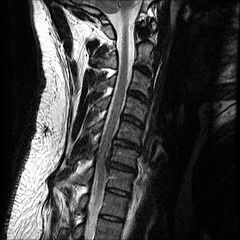
Cervical MRI Profile (C6/7 Herniation)


MRI Image.
Enhanced by Zemanta

Thursday, July 2, 2009

MONITORING DIABETES MELLITUS.

Monitoring the status of diabetes is most important.Many of my patients when asked about the recent value of their blood glucose would give a strange reply.That is I am taking medicines and my ulcer is healing nicely and I do not feel anything bad.These are good personal assessment nevertheless one should go for  regular check up of blood glucose at least in an interval of six months after stabilization .Sometimes blood glucose remains above the strict control level and below the overt level and may not give much of symptoms. And silently eat into the system.
   Monitoring the Glycosilated haemoglobin level once in six months will give a correct idea about the blood glucose level in the last three months. The idea is that when blood glucose level memains constantly above the normal value it gets attached to the haemoglobin inside the red blood cells and that is reflected in the estimation.In addition to it glucometer of good brand can be used to self monitor the glucose level which gives a near normal value .If somthig is suspected from it the glucose level should be confirmed in a good laboratory.
In addition to it estimation of fat component in the blood is also important as this is the friend of high blood glucose level .Together they work out to give the patient a heart attack.

Monitoring of glycosilated haemoglobin level ,blood glucose level in a glucometer and estimation of blood lipids will go hand in hand with a good control of diabetes mellitus.
We call it diabetes mellitus because there is something called diabetes insipidus and renal  diabetes(glycosuria).We will see them later. 
Enhanced by Zemanta

Featured Post

Cyclodextrin for Treatment of Atherosclerosis

Cardiovascular disease from atherosclerosis is one of the most common causes of death worldwide. Inflammation plays a crucial role in ...